
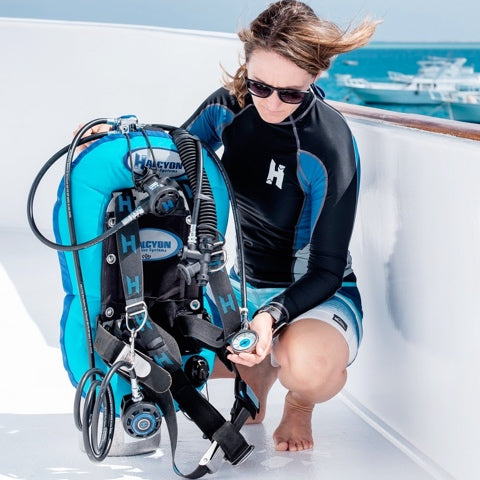



Switching from a jacket-style BCD to a wing and backplate system is one of the most significant upgrades a diver can undertake. It enhances trim, streamlines your profile, and provides a level of customisation that off-the-shelf BCDs simply cannot match.
However, with so many options for lift, harness styles, and regulator configurations, it can be difficult to know where to begin. Drawing on years of DIR (Doing It Right) expertise, here is our brief guide to building the perfect single-tank rig with what’s available.
1. The Harness: Comfort vs. Philosophy
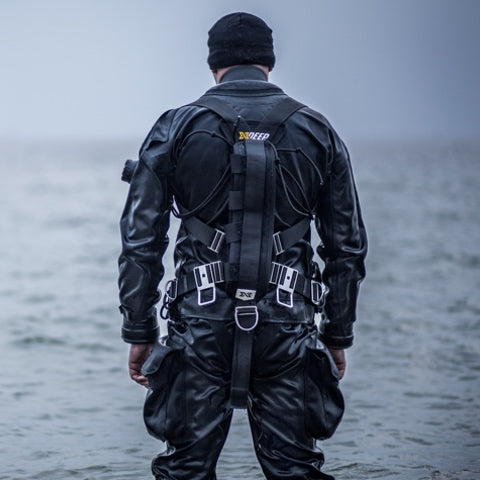
The harness is the foundation of your rig. While all are made of 2-inch webbing, they fall into three distinct categories:
- The Continuous Loop (DIR Style): A single piece of webbing with no break points. It is ultra-reliable and custom-fitted to your body. The most popular configuration.
- The "Deluxe" Harness: The webbing of these features break points for shoulder clips, similar to those on a standard jacket BCD.
- The Hybrid (Cinch/Harpa Systems): It is still a continuous loop webbing with no breakpoint, but the webbing slides through attachments on the backplate for easy, on-the-fly, adjustment.
Examples: The popular Agir Harpa Loop or the "inline" Slide Release Buckle (both compatible with all standard plates and harnesses, can be used either on one side or both sides) or systems similar to the Eclipse Deluxe Cinch system that, as the name implies, uses a cinch plate on the back of the backplate for the webbing to slide through.
Note that the primary difference between harness webbing will be the brand design and colour (if present) and the stiffness of the webbing due to lamination and/or quality.

2. Backplates: Material Matters
Choosing a backplate usually comes down to your diving environment and weight requirements:
- Stainless Steel: The standard choice for most drysuit divers, weighing roughly 2.5kg. This helps offset the buoyancy of a suit, allowing you to carry less lead on your belt. It is also a sound initial investment, as any off-the-shelf aluminium backplate can be purchased later on for travel.
- Aluminium: The traveller’s choice, and one popular for wetsuit divers. It’s lighter and additional weight can later be added when needed using trim weight pockets on the cam bands.
- Carbon Fibre: Extremely light and travel-friendly, and robust - if not as strong as metal alternatives in absorbing shock. Notably the most expensive option.
Pro Tip: If you use an aluminium plate for travel but need extra weight at your destination, we recommend trim weight pockets. Placing one on each side of your cylinder cam bands (left and right, top and bottom as close to the tank as possible) helps you perfectly balance 2–4kg of extra weight. These can also be used with steel backplates to offset weight-belt weights for less strain on the waist.
3. Wing Lift: How Much Do You Need?

While our previous Best Single Tank Wings blog is a few years old, the core advice remains valid: the choice mostly comes down to lift and streamlined profile.
-
20lb Lift: If you want the most streamlined profile limited to 20Lb lift, we recommend the Halcyon Eclipse System or the Cinch-based Deluxe version. This is more of an “Alpinist” approach to gear and should really only be considered for lightweight configurations, given the lift capacity is limited to 9Kg.
-
28/30lb Lift - The sweet spot: Since the physical width difference between a 20lb and 30lb wing isn't substantial, a 28/30lb wing offers more versatility and better heads-up position on the surface. Great options include the Halcyon Era, the Halcyon Eclipse System or the more affordable yet high-quality XDeep Zeos 28lb.
- 40lb Lift: While the difference between 20 and 40lb wings is more visible, the 40 is quite similar to the 30 flat-out, perhaps an inch or more wider on the sides. If you're diving a heavy cylinder or need or may need more lift on the surface, both Xdeep and Halcyon offer many options.
Pro Tip - Wing Shape: You'll notice we only supply Donut Wings over the old "horseshoe" style. Unlike the Horseshoe style, which has dead ends, the Donut wing features a continuous, elliptical shape. This allows air to orbit the tank 360°, ensuring it never gets trapped in a 'dead zone' at the bottom of the wing. Because the bladder is a complete loop, the air can 'orbit' your center of gravity to find the highest point, making buoyancy adjustments effortless.
4. Regulators: The Long Hose Revolution

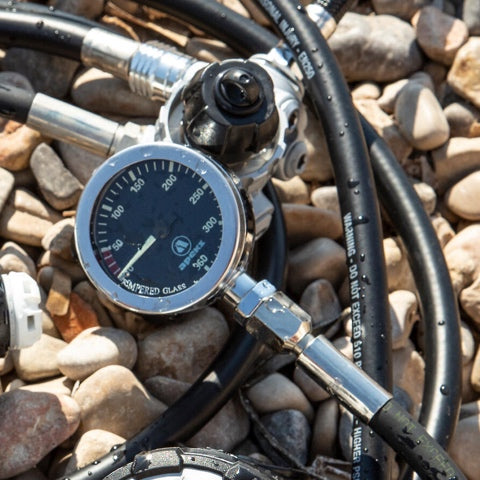
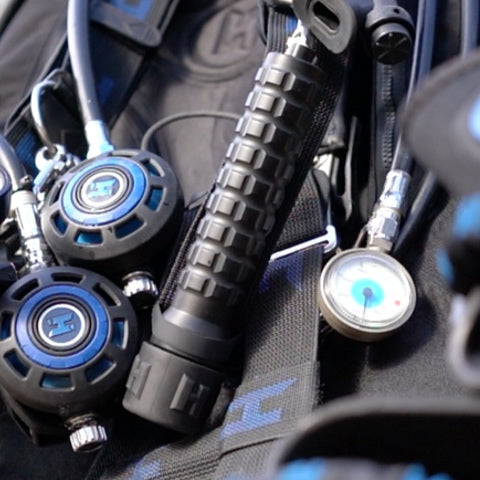
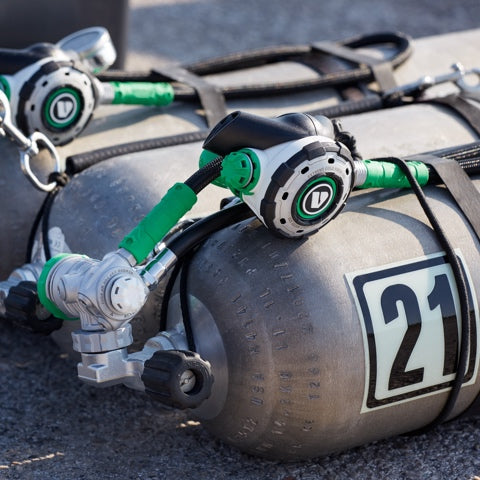
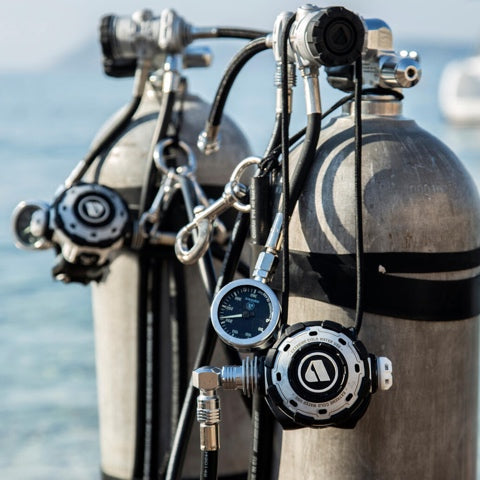
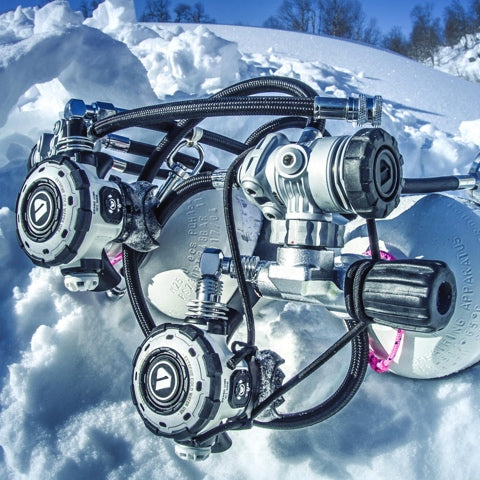
We have been using long hose systems since their inception and were the first dive school to introduce them into recreational to technical diver training. We strongly recommend DIN connections over A-clamps for greater security and reliability. As DIN regulators screw into the cylinder valve they have greater impact resistance, the O-Ring is inside the regulator thread itself and they have higher pressure rating to handle up to 300 Bar.
Benefits of the Long Hose System
1. Superior Gas Sharing in Emergencies
In a standard recreational setup based on using an “octopus”, normally on a 40-inch hose, two divers sharing air are forced into a cramped, face-to-face position. This is difficult to maintain while swimming or ascending, especially in a current or when passing through a restricted space.
- Distance and Comfort: The long hose allows the donor and the receiver to swim in single file or side-by-side with ample space.
- Stability: It prevents the "tug-of-war" effect, where a short hose can pull the regulator out of the receiver's mouth if one diver moves too quickly.
2. Streamlining and "Hose Routing"
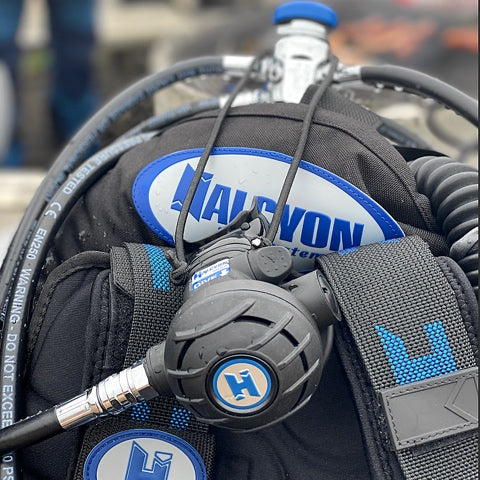
The long hose is routed down the right side of the cylinder, tucked under a waist buckle or canister, and looped around the neck.
- Reduced Drag: This keeps the hose tight against the body, preventing it from bowing out into the water (the "rainbow" effect) where it could snag on wrecks or reefs.
- Predictability: Because the hose is neatly stowed, the diver knows exactly where their primary and secondary sources are at all times, without them dangling below the chest.
3. The "Primary Take" Logic
In this configuration, the working long hose regulator is donated – there is no concept of an “octopus”. In an out-of-air situation, a panicked diver will almost instinctively grab the regulator currently in your mouth—it is the only one they know is providing life-sustaining gas.
- Immediate Delivery: By donating your primary (on the long hose), you give the distressed diver a high-performance, working regulator immediately.
- Simple Transition: You then switch to your backup regulator, which is conveniently bungeed right under your chin.
Our top-selling single-tank long hose setups include:
- Apeks MTX-RC: Our most popular choice for any depth or condition. You can read more about why it's a favourite in our MTX-RC Blog post. Check out the MTX-RC Long Hose Package here.
- Halcyon 50D: A reliable diaphragm-style regulator.
- Halcyon 75P: A high-performance piston-style option.
- Scubapro MK25 S620Ti: Another top-tier piston package

5. Future-Proofing Your Gear
When you combine an elliptical donut wing for perfect horizontal trim, a long hose for superior emergency management, and DIN connections for mechanical reliability, you aren't just buying gear—you are adopting a system designed for maximum efficiency and minimum stress.
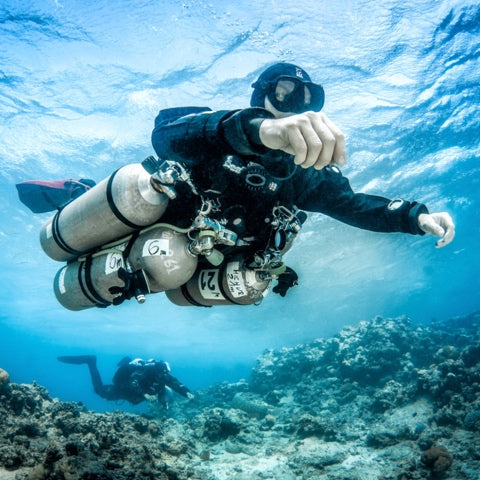
One of the best things about this system is that it grows with you. All these options can eventually be converted into a twinset system by simply adding a second first stage and swapping to a doubles wing.
2026:
The Ultimate Single Tank Wing and Regulator Starters
If you want a "ready-to-dive" setup with the best savings, take a look at our hand-picked DIR STARTER PACKAGES which have both continuous loop and pinch-clip harness configurations.
Not to be repetitive, do bear in mind that if you don't feel too confident with the continuous loop system at the beginning, you can make modifications that will allow you to fine-tune adjustments, such as using an Inline Slide Release Buckle or Agir Harpa Loop (where either one on the left-hand side should be sufficient).
Below, you can see two of our most popular combinations of our leading wing and regulator systems into one seamless kit. These are ready-to-dive with all components out of the box. Just add it to a full cylinder, and you’re underwater!...
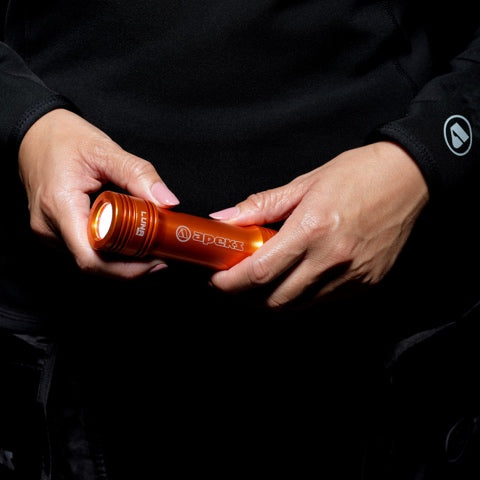
Read more about adjustable harness systems in our Not A Fixed Harness Fan? blog. If you're looking for the lightest weight wing system for travel, check out the new Scubapro Navigator Lite Travel Wing. And, don't miss out on the Best Recreational Dive Lights for UK and travel diving.
Safe Diving!